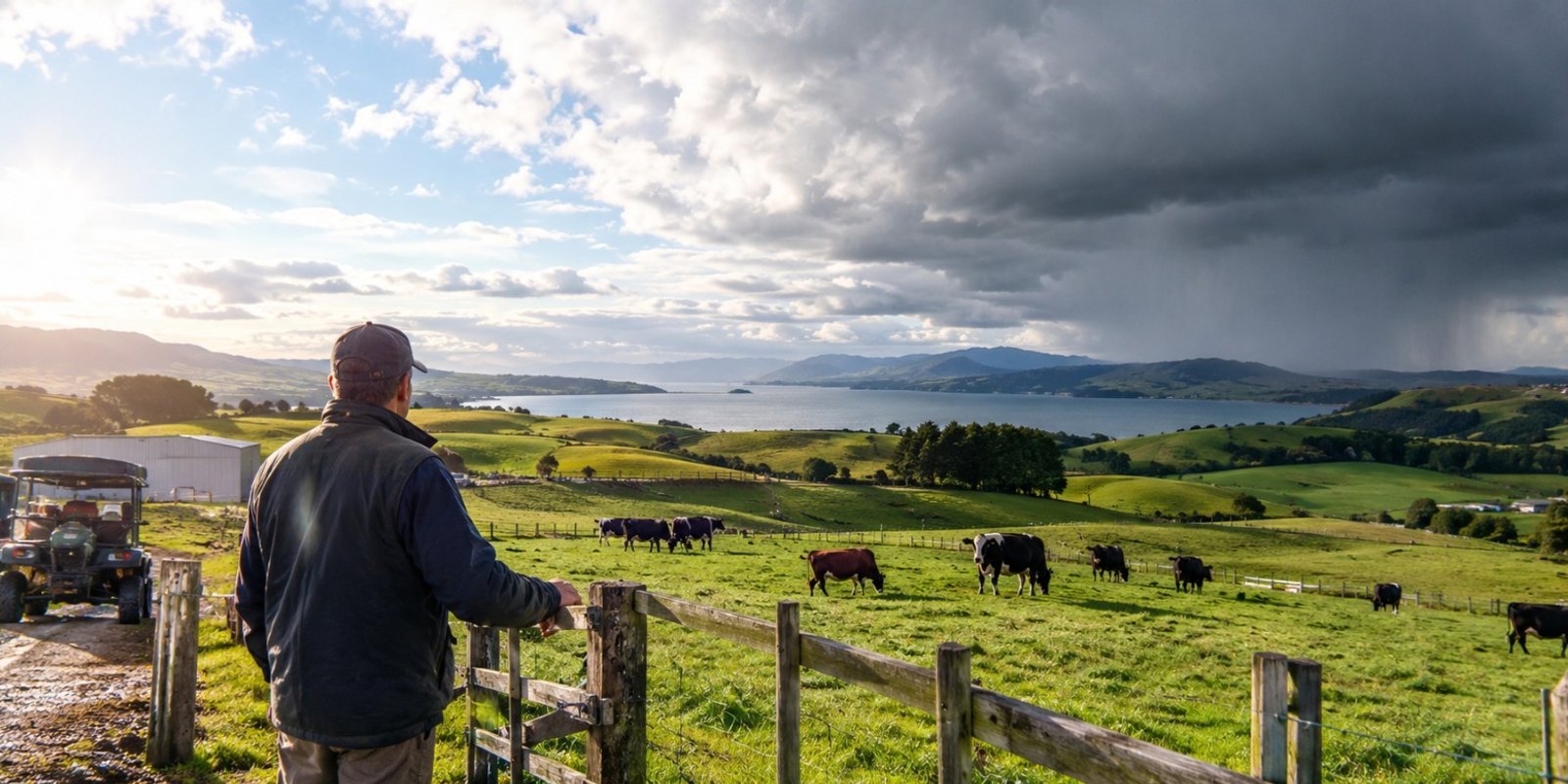

Locking in Stability Before the Next Storm Hits
Weather and rural income go hand in hand. When the rain does not turn up, or it turns up all at once, it hits pasture growth, stock condition, yields, and, in the end, the bank account. That pressure flows straight through to how easy it is to keep up with the mortgage and how lenders look at your farm or lifestyle block lending.
Refixing a rural mortgage is not only about chasing the lowest headline rate. It is about setting up a structure that can handle dry summers, wet springs, damaged tracks, higher feed costs and shifting lender appetites. A weather-proof refix strategy aims to lock in stability before the next big swing, not after it has already hurt the numbers.
When you plan your refix with seasonal volatility in mind, you give yourself more room to move through spring growth, summer drought risk and the tighter cash flow that can turn up in autumn. A rural-savvy mortgage partner that understands both on-farm realities and what different lenders expect can make that planning a lot easier.
How Weather Risk Impacts Your Rural Lending Options
Droughts, floods and storms do not just create a mess in the paddock. They can:
- Reduce milk or meat production
- Cut crop yields or quality
- Lead to stock losses or forced sales
- Lift costs for feed, fuel, repairs and labour
All of that shows up in your financials. When profit drops or swings around more than usual, serviceability can look weaker in lender calculators. Some lenders become cautious in high-risk periods. They may:
- Tighten criteria around income and expenses
- Ask for more detail on your accounts and budgets
- Take longer to approve new lending or changes
For rural and agribusiness borrowers, that timing matters. If you hit your refix date right after a tough season, with old financial statements and no clear plan, your options can feel limited. On the other hand, shifting the conversation to a stronger point in your cash flow cycle and having updated figures ready can help show the longer-term story.
Specialist brokers who understand rural lending can line up lenders that are more comfortable with agricultural risk and seasonal swings. The idea is to present your position at its best, through both timing and structure, instead of waiting until cash is tight and stress is high.
Smart Refix Finance Strategies for Rural Mortgages
Refix Finance for a rural mortgage means reviewing and renegotiating your rate and structure at the end of a fixed term. This can involve staying with your current lender or splitting lending across more than one, depending on your goals and how your farm or lifestyle block is set up.
The main structure choices are:
- Fixed rates, for certainty of repayments over a set term
- Floating rates, which move with the market but give more flexibility
- Split loans, a mix of fixed and floating portions
For rural borrowers with variable income, seasonal overdrafts and capital expenditure cycles, a mix often makes sense. For example, you might fix a chunk of the core term debt, keep a smaller amount floating for flexibility and use seasonal facilities to manage short-term swings.
Staggered fixed terms, sometimes called rate laddering, can also help. Instead of having all your lending roll over on the same day, you spread fixed terms across different timeframes. That way, if market rates jump, only part of your lending refixes at the higher level at once, which softens the shock.
The trap to avoid is a set and forget mindset. Rural clients are usually better off planning strategic reviews six to twelve months before key terms expire. That gives time to:
- Update financial statements and forecasts
- Review goals for the farm, business or lifestyle block
- Compare options across banks and non-bank lenders
Seasonal Cash Flow Planning Around Your Refix Date
Most rural operations in New Zealand follow a loose pattern. While every farm is different, many will recognise a cycle that includes:
- Stronger growth and spending in spring
- Higher risk of dry conditions and heat stress in summer
- Culls, cropping work and planning for next season in autumn
- Feed, maintenance and indoor costs in winter
Mortgage and term debt repayments layer over that cycle. If refix dates fall during a tight period, any jump in repayments can bite hard. Shifting refix timing closer to stronger cash flow months can:
- Give more breathing room if payments increase
- Make it easier to show solid recent income to lenders
- Provide better leverage when you negotiate terms
Building contingency into your refix plan is just as important. Weather can trigger sudden costs, such as:
- Extra feed and water-carting
- Track and fence repairs
- Fuel for extra machinery use
- Compliance and environmental work
A simple framework for rural borrowers is to forecast cash flow over the next 12 to 24 months, then share that with a broker well before refix talks begin. Your forecast does not have to be perfect. Even a basic view of expected income, expenses, known capital jobs and likely risk points can help shape a refix plan that fits your real world cycle.
Using Lender Diversity to Weather Economic Swings
When banks tighten criteria or reduce appetite for certain sectors or regions, non-bank lenders can play a useful role in a rural lending portfolio. They may look at risk in a slightly different way or offer structures that suit less traditional income patterns.
It can sometimes make sense to move part of your rural mortgage or business lending away from your main bank. Possible reasons include:
- More flexible terms for seasonal or development work
- Different views on off-farm income or diversification
- The ability to keep progress going when one lender is cautious
This needs to be handled carefully. Spreading lending without a clear strategy can create its own headaches. Risks can include:
- Complex security arrangements
- Cross-collateralisation that ties multiple properties together
- Extra fees or conditions across several facilities
A coordinated approach is key. Looking across multiple lenders, comparing rural policies and appetite for agribusiness, then matching them to your goals can help shape a Refix Finance rural mortgage plan that is both stable and flexible. The aim is not to chase every offer in the market, but to choose a mix that can stand up to both weather and economic swings.
Turning Today's Forecast Into a Long-Term Rural Plan
The most useful time to think about your rural mortgage is before pressure hits. That means looking ahead at your fixed-rate expiries, your cash flow forecasts and the likely weather and regulatory risks over the next few seasons. Aligning those pieces gives you more control when it is time to refix or restructure.
With a clear view of your numbers and plans, and with support from a rural-focused mortgage partner, you can treat your next refix as part of a long-term strategy instead of a last-minute task. A thought-through Refix Finance rural mortgage plan helps keep the operation steady through dry spells, wet weeks and everything in between, so you can focus on running the land in front of you.
Secure the Right Rural Mortgage Solution Today
If you are ready to make your rural property plans a reality, we can help structure a Refix Finance rural mortgage that fits your cash flow and long-term goals. At Capital Finance, we take the time to understand your operation, from seasonal income to future expansion, so your lending works for you. Reach out to contact us and we will walk you through your options and next steps.